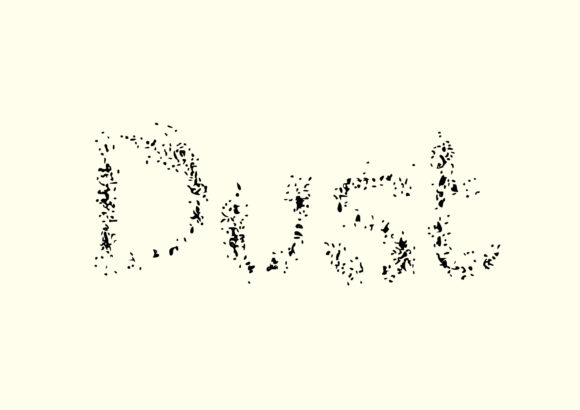
Dust Font: Unique Display Typography for Crafters
Elevating Handmade Product Labels with Dust Display Font
When selecting typography for physical goods, Dust is a display font that brings immediate texture and artisanal charm to handmade product labels and packaging. As creators of small-batch items like soy candles, organic soaps, or boutique skincare, we understand that the typeface carries as much weight as the product itself. This unique look helps establish an authentic brand identity that mass-produced competitors cannot replicate. Using Dust on jar labels, box sleeves, or hang tags instantly communicates a handcrafted narrative to customers browsing marketplaces or craft fairs. The visual personality of this font suggests care, history, and tactile quality, which are essential selling points for premium handmade goods.
For those designing labels intended for print at home or through professional services, readability remains paramount even when using expressive fonts. Dust works exceptionally well for short product names, collection titles, or brand logos where legibility can be maintained at smaller sizes. Because it is a display typeface, it shines brightest when used sparingly as a focal point rather than for dense ingredient lists or instructions. Pairing this distinctive lettering with a clean sans serif or simple serif font for body copy ensures your packaging meets regulatory requirements while retaining its artistic flair. Always test print your label designs at actual size before committing to a full production run to ensure the unique characteristics of the font remain crisp and attractive on textured paper or matte vinyl.
Creating Stunning Wedding Stationery and Invitations
Dust serves as an evocative choice for wedding invitations and event stationery where couples desire a non-traditional yet sophisticated aesthetic. In the realm of wedding fonts, this display style offers a departure from standard scripts, providing a modern, slightly weathered elegance that photographs beautifully in flat lays and digital mockups. For printable product creators specializing in wedding suites, incorporating Dust into welcome signs, seating charts, or menu cards adds a layer of bespoke artistry that justifies higher price points. The font’s inherent character pairs wonderfully with minimalist layouts, allowing the typography itself to serve as the primary decorative element without needing excessive floral illustrations or ornate borders.
Practical application for Cricut and Silhouette users requires attention to the font's structural integrity during the cutting process. When using Dust for vinyl decals on wedding signage or acrylic table numbers, ensure that any internal counters or delicate serifs are robust enough to withstand weeding and transfer. This display font is ideal for large-format applications like wooden welcome boards or mirrored signage where its unique details can be fully appreciated from a distance. For paper invitations, consider utilizing letterpress or debossing techniques to enhance the tactile nature of the typeface, creating a sensory experience that aligns perfectly with the font’s visual warmth. Always verify multilingual support if designing for bilingual ceremonies to maintain typographic consistency across all stationery elements.
Designing Marketable Printable Wall Art with Dust
Digital download sellers and printable artists will find that Dust is a display font capable of transforming simple quotes into high-value wall art assets. The current market for digital prints favors typography that feels curated and distinct rather than generic, making this typeface a valuable addition to any designer’s toolkit. Its unique look translates effectively to various decor styles, including farmhouse, boho, industrial, and eclectic vintage, allowing you to expand your shop’s niche reach without purchasing multiple specialized fonts. When creating gallery wall sets or standalone affirmation prints, the textural quality of Dust adds depth to flat digital files, making them appear more substantial and professionally designed to potential buyers scrolling through crowded marketplaces.
To maximize commercial viability, focus on creating versatile templates where customers can easily visualize the font in their own spaces. Use Dust for the primary statement words while reserving lighter weights or complementary typefaces for secondary text to create visual hierarchy and prevent viewer fatigue. Remember that display fonts function best in short bursts; a three-word quote set in Dust often sells better than a lengthy paragraph because the eye can quickly grasp the message and appreciate the letterforms. When listing these products, highlight the font’s stylistic attributes in your description to attract buyers specifically searching for rustic, grunge, or alternative typography. Providing styling guides or frame mockups that showcase Dust in real room settings can significantly increase conversion rates by helping customers envision the final result.
Optimizing Font Pairings for Commercial Craft Projects
Successful product design relies heavily on how Dust interacts with other fonts in your commercial crafting projects and brand collateral. As a display font with significant personality, it demands supportive partners that provide balance without competing for attention. For t-shirt designs and tote bags, pairing Dust with a bold, geometric sans serif creates a contemporary contrast that reads well from afar and appeals to younger demographics. Conversely, combining it with a delicate handwritten script can soften its edge for greeting cards, baby shower invites, or feminine branding materials. Understanding these relationships allows you to create cohesive product lines where the typography guides the customer’s emotional response and reinforces brand recognition across different mediums.
When developing SVG files for sale or personal use, consider how font pairings affect the technical assembly of layered designs. Ensure adequate spacing between Dust and its companion typeface to prevent overlapping cut lines or visual clutter that confuses the end user. Test your combinations across various backgrounds, including dark fabrics, kraft paper, and white cardstock, to confirm that contrast levels remain accessible and aesthetically pleasing. Many successful Etsy sellers create pre-made template bundles featuring Dust alongside verified compatible fonts, saving fellow crafters time and ensuring professional results. These bundled offerings not only showcase the versatility of the typeface but also position your shop as a knowledgeable resource for typography-driven design solutions.
Navigating Licensing and Technical Specs for Dust
Before integrating Dust into merchandise, templates, or client work, verifying the specific commercial licensing terms is essential for protecting your handmade business. Display fonts often come with tiered licenses that distinguish between personal crafting, small business physical product sales, and large-scale digital distribution or NFT creation. Carefully review whether the license covers end products like printed mugs and shirts versus editable templates where the end user could modify the text, as these typically require different permission levels. Respecting intellectual property rights not only keeps your shop compliant with platform policies but also supports the type designers who create the tools that make our businesses possible. Keeping a record of your license receipt and permitted usage limits is a best practice for long-term business sustainability.
Technical compatibility is another critical factor when adopting new fonts for production workflows involving cutting machines and design software. Check that Dust includes standard file formats like OTF and TTF to ensure seamless integration with Cricut Design Space, Silhouette Studio, Canva, and Adobe Illustrator. Look for included OpenType features such as ligatures, alternates, or swashes that can add custom variety to repetitive designs without requiring additional purchases. If you plan to sell digital downloads, confirm whether embedding the font in PDFs or editable templates is permitted or if you must convert text to outlines. Understanding these technical parameters upfront prevents frustrating workflow interruptions and ensures that every project created with Dust maintains the highest standards of quality and professionalism expected by today’s discerning craft consumers.